


How Do Trailers and Containers Differ?
Trailers and containers play significant roles in transportation, storage, and even housing solutions. Despite their shared usage in these areas, they exhibit distinct characteristics in design, functionality, and applications. Comprehending these differences is crucial for individuals and businesses aiming to make the optimal choice for their specific needs.
1. Structural Differences
Containers
Containers are crafted from heavy - duty steel, engineered to endure harsh weather conditions and long - term utilization. Their standardized, uniform rectangular shape is a defining feature, enabling them to be stackable. This stackability is essential for efficient storage and transportation, especially in large - scale shipping operations. The robust steel construction not only provides durability but also contributes to their ability to withstand the rigors of international shipping, including being stacked on ships, lifted by cranes, and jostled during transit.
Trailers
Trailers, on the other hand, are typically constructed with lightweight metal or aluminum. Mounted on wheels, they are inherently designed for mobility. The inclusion of a chassis and suspension system is standard, allowing them to be easily towed by trucks. The chassis provides a stable base for the trailer, while the suspension system helps to smooth out the ride over various road surfaces. This design makes trailers well - suited for on - road transportation, whether for short - distance local hauls or longer interstate trips.
2. Mobility and Portability
Containers
Primarily employed for shipping and sometimes as stationary housing units, containers are relatively immobile once placed. Moving a container necessitates the use of cranes or forklifts, which are heavy - duty pieces of machinery. This requirement for specialized equipment makes relocation challenging and costly. Once a container is set up as a storage unit or a housing structure, it is often left in place due to the complexity and expense associated with moving it.
Trailers
Trailers are the epitome of mobility. They can be effortlessly towed by trucks, enabling easy repositioning without the need for any special equipment beyond a towing vehicle. This makes them ideal for applications where frequent movement is required, such as in the case of mobile homes, food trucks, or camper vans. Whether it's moving to a new job site, a different camping location, or a new business venue, trailers can be quickly and easily relocated.
3. Purpose and Usage
Containers
Shipping Goods Internationally: Containers are the backbone of international trade. Their standardized dimensions ensure seamless transfer between different modes of transportation, including ships, trains, and trucks. This intermodal compatibility allows for the efficient movement of goods across long distances.
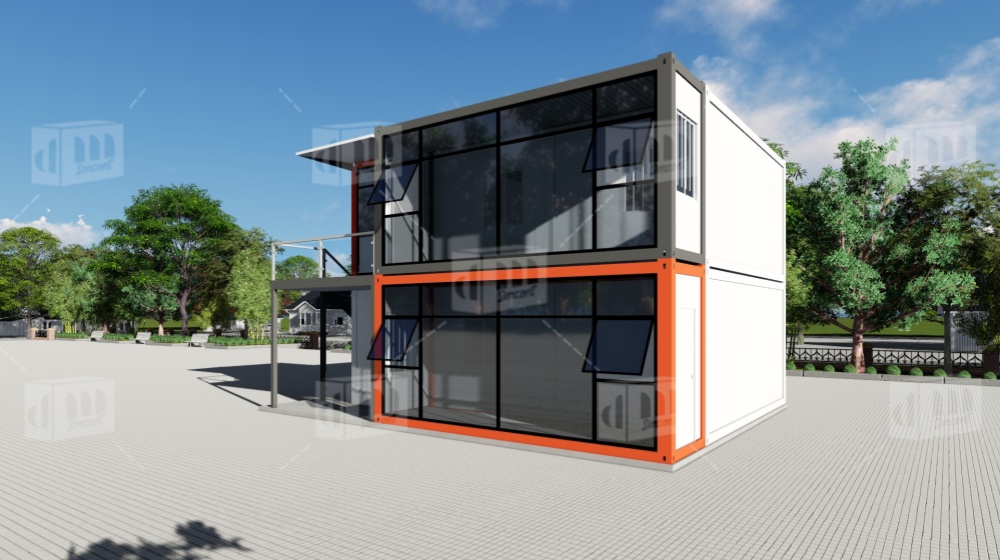
Repurposed Spaces: They are commonly transformed into homes, offices, and storage units. The solid steel construction provides a high level of security, making them suitable for storing valuable items or housing people. For example, in urban areas, container - based offices and homes are becoming increasingly popular due to their unique aesthetic and cost - effectiveness.
Security: The robust steel build and lockable doors offer strong security, protecting the contents from theft and damage.
Trailers
Road Transportation of Goods: Trailers are widely used for transporting goods on roads. Their design allows for easy loading and unloading, and they can be customized to carry different types of cargo, from general merchandise to heavy construction equipment.
Mobile Living and Business: They serve as mobile homes, providing a convenient and flexible housing option for those who prefer a nomadic lifestyle. Food trucks are another common application, allowing entrepreneurs to bring their businesses to different locations. Camper vans, a type of trailer, offer a comfortable way to travel and camp.
Built - in Systems: Many trailers come with built - in electrical and plumbing systems, making them immediately functional for living or business purposes. This eliminates the need for extensive on - site installations.
4. Customization and Design
Containers
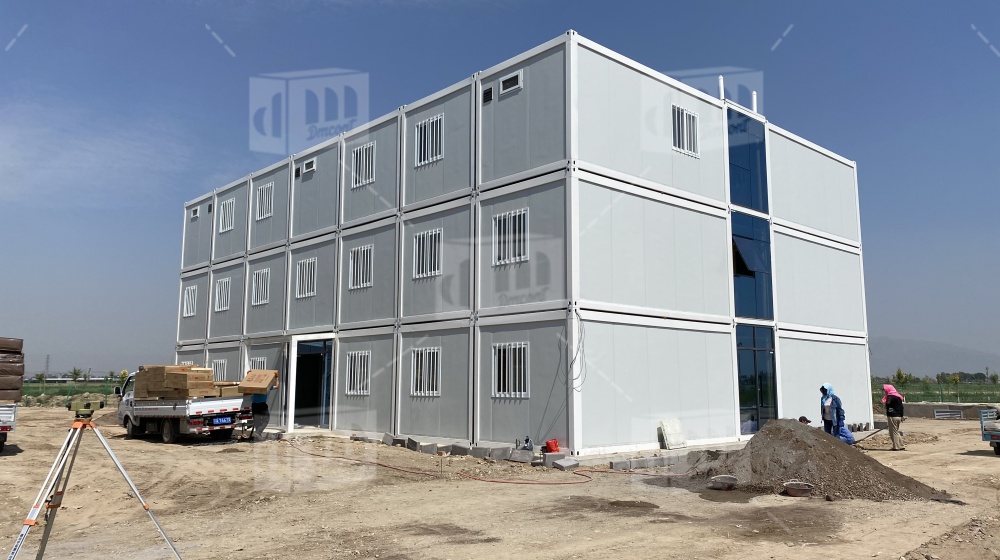
Versatile Conversions: Containers can be ingeniously modified into a variety of spaces, such as homes, offices, or retail stores. Their rectangular shape and large interior space offer a blank canvas for creative design. They can even be stacked to create multi - story structures, providing a unique and space - efficient solution, especially in urban areas with limited land.
Additional Work Required: However, to transform a container into a habitable or functional space, additional work is needed. This includes adding doors, windows, and insulation. These modifications can be time - consuming and costly, but they also allow for a high degree of customization.
Trailers
Pre - designed for Mobility: Trailers come pre - designed with features that support their mobile nature. They often have built - in features like electrical and plumbing systems, as well as furniture and fixtures in the case of mobile homes. This makes them ready - to - use upon purchase.
Limited Structural Flexibility: Compared to containers, trailers have less structural flexibility. Their design is optimized for mobility, which restricts the extent to which they can be structurally modified. For example, major changes to the shape or size of a trailer may compromise its towing ability and stability.
Temporary and Recreational Use: Trailers are frequently used for temporary or recreational purposes, such as short - term housing during construction projects or vacations in a camper van.
5. Cost and Maintenance
Containers
Initial Cost: Generally, containers have a lower initial cost, especially when considering their potential for long - term use. However, if they are to be used for housing or business purposes, a significant investment is required for modifications. This includes adding insulation to make them habitable, installing plumbing and electrical systems, and finishing the interior.
Maintenance: Maintenance of containers mainly focuses on rust prevention, especially if they are used in harsh environments like coastal areas. Ensuring proper insulation also requires periodic checks to maintain energy efficiency.
Trailers
Higher Cost: Trailers typically have a higher cost due to their mobility features and built - in systems. The inclusion of wheels, a chassis, and pre - installed electrical and plumbing components adds to the overall expense.
Regular Maintenance: They require regular maintenance for components such as wheels, brakes, and the suspension system. These components are subject to wear and tear due to constant road travel, and regular servicing is necessary to ensure safe and efficient operation.
FAQs
1. Can a shipping container be turned into a trailer?
Yes, but it requires the addition of a chassis and wheels. This process can be expensive and may not be as practical as using a traditional trailer, as it involves significant modifications to the container's structure and may not offer the same level of functionality and mobility as a purpose - built trailer.
2. Which is better for a mobile home: a container or a trailer?
A trailer is better for mobility, as it can be easily towed to different locations. On the other hand, a container is more durable and secure for stationary housing, offering a more robust structure and better protection against the elements.
3. Are containers or trailers more secure?
Containers offer superior security due to their steel structure and lockable doors. The thick steel walls and well - designed locking mechanisms make it more difficult for thieves to access the contents. Trailers, while they can be secured, may be more vulnerable to theft, especially if they are not parked in a secure location.
4. Which lasts longer, a container or a trailer?
Containers typically last longer due to their corrosion - resistant steel construction. The heavy - duty steel used in containers is designed to withstand harsh conditions over an extended period. Trailers, on the other hand, are more prone to wear and tear because of the constant stress of road travel on their wheels, suspension, and other components.
5. Can a container home be moved like a trailer?
Not easily. Moving a container home requires the use of cranes and trucks, which is a more complex and resource - intensive process compared to trailers, which can simply be towed.
Your message-英文2024-12-24
Name*
Country*
Email*
Telephone*
For Personal Use/ Project (Click to Choose)
- Project
- Personal
Your Message*
Verification code


