


Is it legal to live in a container home?
Introduction
Container homes have gained popularity in recent years due to their sustainability, affordability, and unique design. However, when considering such an alternative housing option, it’s important to address several concerns. Are container homes legal to live in? What is their life expectancy? Can you safely live in a shipping container? Do container homes rust over time? In this article, we will answer these questions and provide essential information for anyone interested in container homes.
Are Container Homes Legal in the US?
Container homes are legal in many parts of the United States, but the legality of living in one depends on a variety of factors, including local building codes, zoning laws, and permits.
1. Zoning and Local Laws
Zoning laws determine how land can be used and what types of structures are allowed. In urban areas, zoning laws might limit the ability to place container homes on certain types of land. However, in more rural or less regulated areas, the use of shipping containers for homes is often permitted with fewer restrictions. It’s essential to check with local zoning authorities before planning a container home.
2. Building Codes
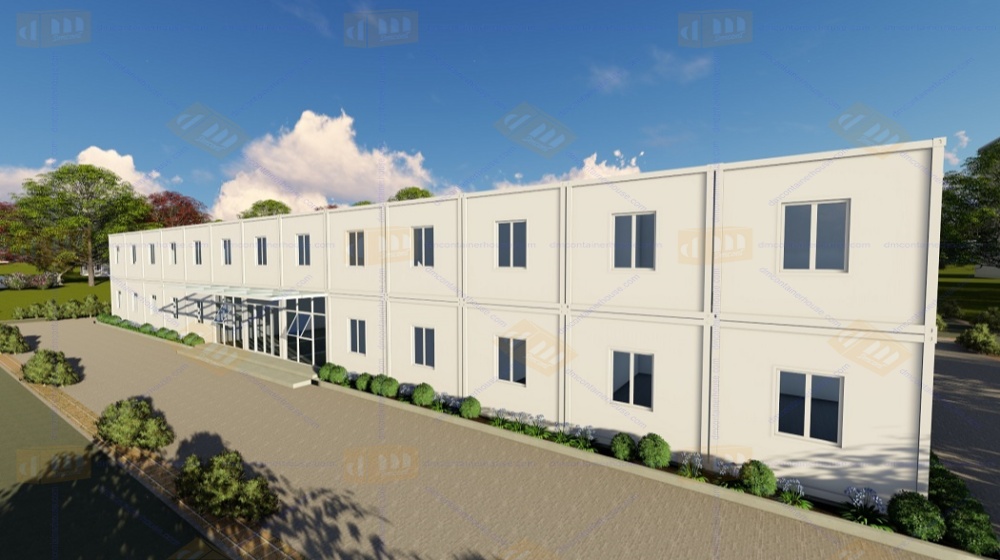
Container homes must meet local building codes to ensure they are safe to live in. Building codes vary significantly from one city to another, and container homes may need modifications to meet structural, electrical, plumbing, and insulation requirements. Some areas require the use of certified engineers or architects to ensure that a container home complies with safety and habitability standards.
3. Permits and Approvals
Depending on where you live, you may need various permits to build or live in a container home. These can include construction permits, occupancy permits, and approvals for utilities like electricity, water, and sewage systems. Always check with your local government or a construction professional to determine what specific permits are required for your area.
4. Variations by State
Some states, like California, Texas, and Florida, have more lenient regulations when it comes to container homes, while other states may impose stricter rules. Urban areas, in particular, may be more restrictive, whereas rural locations are more likely to allow container homes with fewer regulations.
What is the Life Expectancy of a Container Home?
The life expectancy of a container home largely depends on the quality of construction, the environment in which it is placed, and the level of maintenance. However, on average:
1. Structural Integrity
A well-constructed container home can last between 25 and 50 years, depending on the quality of materials used and the climate conditions. The steel structure of the container itself can last decades, but the home’s longevity is also affected by factors like weather, insulation, and the way it’s been modified.
2. Maintenance Considerations
Regular maintenance is essential for extending the life of a container home. Inspections for rust, wear, and tear on the structure, plumbing, electrical systems, and insulation are key to ensuring the home remains habitable and safe over time.
3. Climate Impact
The climate where the container home is located plays a significant role in its life expectancy. Areas with extreme weather conditions (like high humidity, salt exposure from the ocean, or heavy snowfall) may shorten the lifespan of a container home unless proper precautions are taken, such as rust-proofing or using weather-resistant materials.
Is It Possible to Live in a Shipping Container?
Yes, it is absolutely possible to live in a shipping container, and many people around the world are opting for this unconventional but practical solution. Container homes offer several advantages, including:
1. Affordability
Shipping containers are relatively inexpensive compared to traditional building materials, making them an affordable option for those looking to build a home on a budget.
2. Sustainability
Shipping containers are made of steel, which is a highly recyclable material. By reusing these containers, you are contributing to reducing waste and supporting eco-friendly construction practices.
3. Customization
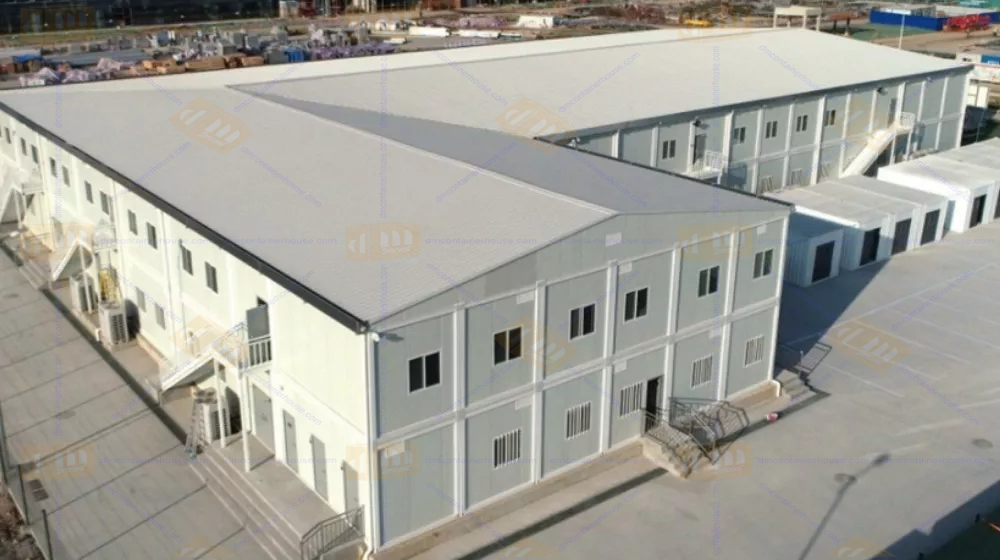
Shipping containers can be modified to suit your needs. You can add windows, doors, insulation, and other features to create a comfortable living space. Container homes can also be stacked, connected, or arranged in various layouts to meet specific design preferences.
4. Portability
One of the key advantages of living in a shipping container is its mobility. Since containers are designed for transport, they can be relocated to different sites if necessary, providing a degree of flexibility that traditional homes do not offer.
Do Container Homes Rust?
Yes, shipping containers can rust, especially if they are not properly treated or maintained. However, the risk of rusting can be minimized with the right care. Here's what you need to know about rust on container homes:
1. Rust Resistance
Shipping containers are made of steel, which is susceptible to rust when exposed to moisture. Over time, exposure to rain, humidity, or salty air (in coastal areas) can cause the metal to corrode. However, many containers come with an anti-corrosion coating to help prevent rust, and additional protective treatments can be applied during the construction of a container home.
2. Rust Prevention
To prevent rust, it’s essential to maintain a container home regularly. This can include:
- Painting: Applying a rust-resistant paint or coating to the exterior and interior of the container can significantly extend its lifespan and protect it from moisture.
- Sealing: Ensuring that seams and joints are properly sealed helps prevent water from entering the container and causing rust.
- Regular Inspections: Check the container for any signs of rust or wear, particularly in areas exposed to the elements. Early detection of rust can help prevent significant damage.

3. Corrosion in Coastal Areas
Containers located near the ocean or in humid environments are particularly prone to rusting due to salt exposure. In these locations, extra precautions such as marine-grade coatings or protective treatments may be necessary.
Conclusion
Container homes present an exciting and sustainable housing option that can be legal and practical in many locations. While the legalities of living in a container home vary depending on local regulations and zoning laws, many people across the U.S. and globally successfully live in container homes. By understanding the life expectancy of container homes, the possibility of rusting, and the steps you can take to prevent it, you can enjoy the benefits of container living with confidence. As container homes become more mainstream, we can expect to see more innovation and flexibility in making them a viable alternative to traditional homes.
FAQs
1. Are container homes more affordable than traditional homes?
Yes, container homes are generally more affordable due to the low cost of shipping containers and the potential to reduce construction costs.
2. How long can a container home last?
A well-maintained container home can last anywhere from 25 to 50 years, depending on climate and maintenance.
3. Can I live in a shipping container year-round?
Yes, with proper insulation and modifications, shipping containers can be made comfortable for year-round living.
4. How do I prevent my container home from rusting?
Regularly inspect the container for rust, apply rust-resistant coatings, and ensure proper sealing and maintenance to prevent moisture buildup.
5. Do I need a permit to live in a container home?
Yes, you may need permits depending on local zoning and building codes. Be sure to check with local authorities before setting up your container home.
Your message-英文2024-12-24
Name*
Country*
Email*
Telephone*
For Personal Use/ Project (Click to Choose)
- Project
- Personal
Your Message*
Verification code


