


Design and integration of solar panels: injecting sustainable energy into container houses
Introduction
As a designer, I have always been committed to creating unique and sustainable living and working spaces for people. In the pursuit of sustainable development, solar panels, as an important renewable energy solution, are gradually being widely used in container houses. This article will discuss the design and integration of solar panels, with a view to injecting sustainable energy into container houses and creating a greener future.

I. Design elements of solar panels
1. The composition and structure of solar panels: solar panels are mainly composed of photovoltaic cells, supporting structures, electrical connections and protective layers. Solar cells are the core components of solar panels, they are like little energy wizards, converting solar energy into electricity. The support structure provides stable mounting and structural support for the solar panels. Electrical connections connect photovoltaic cells in series or in parallel to form arrays of cells and transmit power. The protective layer is used to protect the photovoltaic cell from the external environment.
2. Photovoltaic cell type and selection: Common types of photovoltaic cells currently on the market include monocrystalline silicon, polycrystalline silicon, and thin-film cells. Monocrystalline silicon cells have high efficiency and high performance stability, and are suitable for limited installation space. Polycrystalline silicon cells have lower cost and better performance, suitable for large-scale applications. Thin-film batteries offer flexibility and light weight for unusual shapes and non-traditional applications. When selecting photovoltaic cells, there are different types of advantages and limitations that need to be considered based on specific project needs and budget.
3. Consideration of power and efficiency: The power and efficiency of solar panels are important indicators for evaluating their performance. Wattage is the maximum electrical output produced by a solar panel under standard test conditions, usually measured in watts (W). Efficiency refers to the proportion of a solar panel that converts received solar energy into electricity, usually expressed as a percentage. High-power and high-efficiency solar panels can provide more electrical energy output and achieve greater energy harvesting within limited installation space.
II. Selection of Photovoltaic Cell Type and Power
Selecting the proper photovoltaic cell type and power level is critical when designing a solar panel system. Here are some considerations:
1. Space constraints and power requirements: If limited installation space is the main constraint, monocrystalline silicon cells may be an ideal choice because they provide high power output in a relatively small area. However, if space is not an issue, polysilicon cells may be a more economical choice, providing appropriate power levels.
2. Cost-effectiveness and sustainability: Thin-film batteries generally have low manufacturing costs and can be adapted to different shapes and surfaces. For some special applications or non-traditional building structures, thin-film batteries can provide more flexible solutions.
3. Environmental conditions and stability: When considering the type of photovoltaic cell, the temperature, humidity and light conditions of the environment need to be considered. Different types of batteries may have different adaptability and stability to the environment. For example, some thin-film batteries may perform better in high-temperature environments.
III. Integration scheme of solar panels in container houses
The integration of container houses with solar panels can provide sustainable energy solutions for buildings. Here are the key aspects to consider when integrating solar panels in a shipping container home:
1. Adaptability and pre-design of container houses: In the design and construction stage of container houses, the integration needs of solar panels should be considered. This includes identifying suitable surfaces and structures for solar panels, allowing for adequate space and support structures to ensure safe installation and maximum power output from the panels.
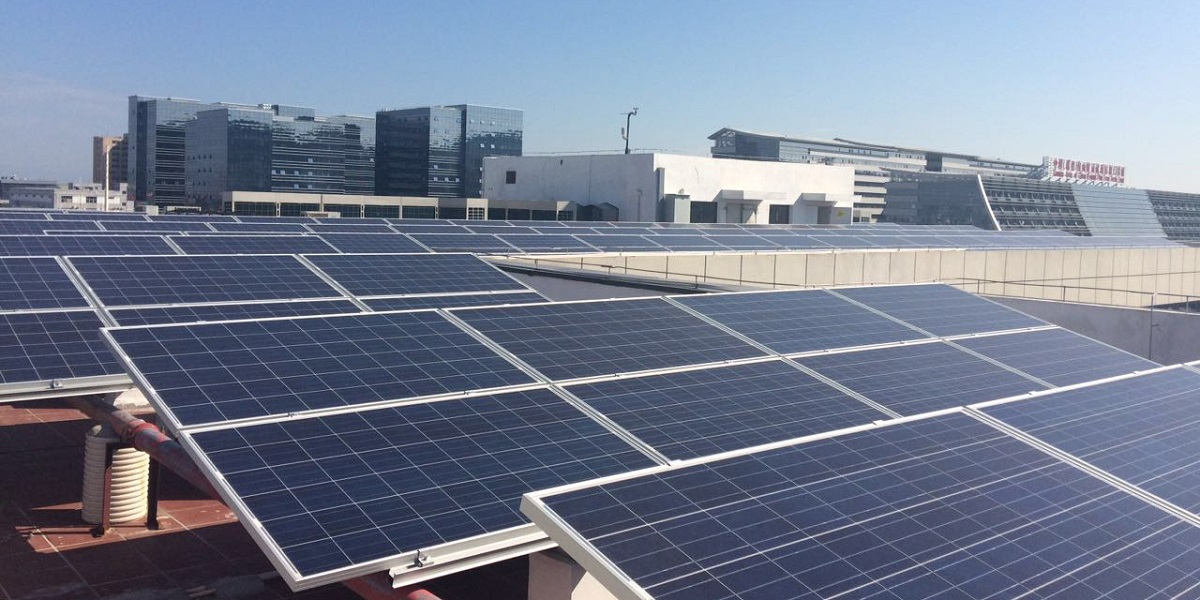
2. Solar panel layout and installation location selection: The layout and installation location of solar panels directly affect energy collection efficiency. Consider the orientation, shading conditions and available space of the container house to choose the best solar panel layout. Typically, solar panels are installed on the roof or facade to maximize the use of sunlight resources, but ground or additional structural supports can also be considered.
3. Electrical connection and system integration: solar panels need to be connected and integrated with the electrical system of the container house. This includes selecting the appropriate electrical components, such as inverters, battery storage systems and electricity meters, and ensuring the safe and efficient injection of solar power into the house's electricity network. The planning and design of electrical connections need to comply with relevant electrical standards and safety requirements.
IV. Integration of solar panels in container houses
During the design and construction of container houses, the integration of solar panels should be regarded as a comprehensive energy system and effectively integrated with other parts. Here are some key integration scenarios:
1. Energy demand analysis and planning: In the design stage of container houses, it is crucial to conduct energy demand analysis. Determine the size and power requirements of your solar panels based on your building's electrical needs and projected energy consumption. This ensures that the solar system can meet the energy needs of the building and optimizes the size and performance of the system.
2. Energy storage and management: Consider storing solar electricity for later use. Using a proper battery energy storage system can provide a continuous power supply at night or in low light conditions. In addition, equipped with an intelligent energy management system can monitor energy production and consumption, and optimize energy utilization efficiency.
3. Monitoring and maintenance: The solar panel system in the container house should be regularly monitored and maintained to ensure its normal operation and maximize energy collection. This includes cleaning the surface of the solar panels, checking the health of electrical connections and components, and promptly identifying and repairing any faults.
V. Optimization of solar panel performance
To ensure that solar panels can always perform at their best, we need to focus on performance optimization. This includes adjustments for weather conditions and light levels, as well as temperature management and control of heat loss. Through proper design and use of high-efficiency components, we can increase the energy production efficiency of solar panels while extending their service life.
VI. Economic and Environmental Benefits
The application of solar panels in container houses not only provides us with a sustainable source of energy, but also brings economic and environmental benefits. By generating our own electricity, we can reduce energy costs and reduce our dependence on conventional energy sources. In addition, the use of solar panels also helps to reduce carbon footprint, protect the environment and improve air quality.
VII. Successful Cases and Practical Applications
Sustainable Energy Container Office
1. Background:
In California, USA, an innovative architectural design firm designed and built a sustainable energy container office for a start-up technology company. The goal of this project is to provide the office with green energy and reduce dependence on traditional energy sources through the integration of solar panels.
2. Specific integration scheme:
The design team first performed a detailed energy demand analysis and determined the size and power requirements of the solar panels. Based on the structural characteristics of the container house, they chose to install solar panels on the roof to maximize the reception of light. To ensure a secure installation, they designed a special support structure that adapts to the surface of the container.
In terms of electrical connections and system integration, they used high-efficiency inverters and battery energy storage systems to convert solar power into usable alternating current and store excess energy for use at night. To optimize energy efficiency, they also installed a smart energy management system that monitors and controls energy production and consumption in real time.
3. Practical application experience:
In this case, the integration of solar panels has brought multiple benefits to the container office. First, the solar system provides a sustainable energy solution for the office, significantly reducing energy costs. The power needs of the office are met, and employees enjoy a continuous and stable power supply.

VIII. Conclusion
Through the design and integration of solar panels, container houses can be injected with sustainable energy to achieve a more environmentally friendly and energy-saving lifestyle. As designers, we should actively promote the application of solar technology and continuously pursue innovation to create a better and more sustainable future. Solar panels are not only a technology, but also our commitment to be responsible for the environment and our concern for the sustainable development of human beings.
FAQs
1. Are solar panels suitable for all types of container houses?
Yes, solar panels can be applied to various types of container houses. Whether used in homes, office spaces or commercial buildings, solar panels can be an important part of sustainable energy. The key is to take solar panel integration into account during the design phase and to ensure that the roof structure can carry the panels and allow the proper space for their installation.
2. How do solar panels adapt to different geographical environments and climatic conditions?
Solar panels can operate normally in different geographical environments and climatic conditions. The design of the solar panels can be optimized according to the insolation and climate conditions of the location. In addition, the performance and durability of solar panels are usually rigorously tested and certified to ensure their stable operation in various environments.
3. Can the solar panel generate electricity on cloudy days or at night?
Solar panels mainly rely on sunlight to generate electricity, so the ability to generate electricity will be affected on cloudy days or at night. However, modern solar technology has come a long way, and many solar systems are equipped with battery energy storage, which stores energy collected during the day and supplies power when needed.
4. How much cost and effort is needed for the maintenance and upkeep of solar panels?
Maintenance and upkeep of solar panels is relatively low and relatively simple. Typically, solar panels only need to be cleaned periodically to ensure that dust and dirt on their surfaces do not reduce energy production efficiency.
5. What is the return rate of solar panels?
The rate of return for a solar panel depends on several factors, including solar resource, energy cost, size and cost of the solar system, and government subsidies and tax incentives. Although the initial investment is higher, over time a solar panel system can help reduce energy costs and may provide long-term financial returns for shipping containers.
Your message-英文2024-12-24
Name*
Country*
Email*
Telephone*
For Personal Use/ Project (Click to Choose)
- Project
- Personal
Your Message*
Verification code


