


Container Houses Power Temporary Infrastructure for the 2026 USA–Canada–Mexico World Cup
The 2026 FIFA World Cup will mark a historic milestone as the first global sporting event jointly hosted by three countries: the United States, Canada, and Mexico.
With dozens of host cities, newly built or renovated stadiums, training bases, media centers, fan zones, and transportation hubs, this mega-event will create
unprecedented demand for fast, flexible, and scalable infrastructure solutions.
Beyond the stadiums themselves, the World Cup generates a long supply chain of supporting facilities. Among the most practical and increasingly adopted
solutions are prefab container houses, which are playing a growing role in event-related construction, temporary facilities, and workforce accommodation.
For global B2B buyers, especially Chinese manufacturers and exporters, this event represents a multi-year opportunity driven by the “event economy.”

*FIFA Container Fan Village
Why the World Cup Creates Demand for Container Houses
Large-scale international sports events require more than permanent buildings. They demand temporary yet high-quality infrastructure that can be deployed quickly, adjusted as needed, and removed or reused after the event.
Container houses meet these needs perfectly due to their modular design and adaptability.
Key demand drivers include:
Rapid construction schedules across multiple cities
Short-term but high-standard facility needs
Large numbers of workers, staff, volunteers, and media personnel
Strict requirements for safety, comfort, and functionality
Post-event reuse and relocation planning
As host countries accelerate preparations, container-based modular buildings are becoming an efficient solution across many World Cup-related scenarios.
Key Application Scenarios for Container Houses During the 2026 World Cup
Stadium Construction and Renovation Support
Before matches begin, large construction teams are deployed to upgrade stadiums, training fields, and surrounding infrastructure. Container houses are widely used on these sites as:
On-site offices for engineers and project managers
Temporary meeting rooms and control centers
Worker dormitories near stadium projects
Storage units for tools and equipment
Compared with traditional temporary buildings, container houses provide better insulation, stronger structures, and a more professional appearance, matching the standards expected for an international event.
Training Bases and Team Support Facilities
National teams require dedicated training areas with support buildings during the tournament preparation phase. Modular container houses can be configured as:
Locker rooms and rest areas
Medical and physiotherapy rooms
Coaching offices
Equipment storage rooms
Because layouts can be customized, container houses help organizers quickly create functional training environments without long construction cycles.
Media Centers and Broadcast Support Areas
The World Cup attracts thousands of journalists, broadcasters, and digital media teams. Temporary media centers often need to be built close to stadiums or fan zones.
Container houses are ideal for:
Temporary media offices
Editing rooms
Press briefing spaces
Technical operation rooms
Their clean interiors, electrical system flexibility, and sound insulation options make them suitable for professional media use.
Workforce Accommodation and Staff Facilities
From stadium construction crews to event-time service staff, workforce housing is a critical challenge. Container dormitories offer a scalable solution that can be expanded or reduced according to staffing needs.
Typical configurations include:
Multi-bed dormitory units
Private rooms for supervisors
Shared sanitation and shower blocks
Dining and rest areas
With proper insulation and ventilation, container housing provides comfortable living conditions even during long project cycles.
Fan Zones and Commercial Support Areas
In host cities, fan zones and surrounding commercial areas require temporary structures that support:
Ticketing offices
Information centers
Security and management rooms
Temporary retail or service spaces
Container houses can be arranged into organized clusters, helping cities manage large crowds while maintaining order and safety.

Why Container Houses Are a Smart Choice for World Cup Projects
Fast Deployment for Tight Schedules
World Cup preparation timelines are fixed. Delays are not an option. Container houses are factory-produced and assembled on-site in a short time, allowing project teams to meet strict deadlines.
Strong Structure and Safety Performance
High-quality container houses use reinforced steel frames and insulated wall panels. This ensures:
Stable performance under heavy use
Resistance to wind and harsh weather
Fireproof and waterproof properties
Long service life across multiple projects
These features are essential for large public events.
Flexible Design and Customization
Different World Cup projects require different layouts. Container houses can be customized in terms of:
Wall panel thickness and insulation type
Doors, windows, and interior partitions
Electrical and lighting systems
Exterior colors and branding
This flexibility allows organizers to maintain visual consistency while meeting functional needs.
Sustainable and Reusable Infrastructure
After the tournament, container houses can be relocated and reused for:
Future sports events
Public infrastructure projects
Community facilities
Emergency response housing
This aligns with sustainability goals promoted by host countries and international organizations.
DreamMaker’s Role in Modular Event Infrastructure
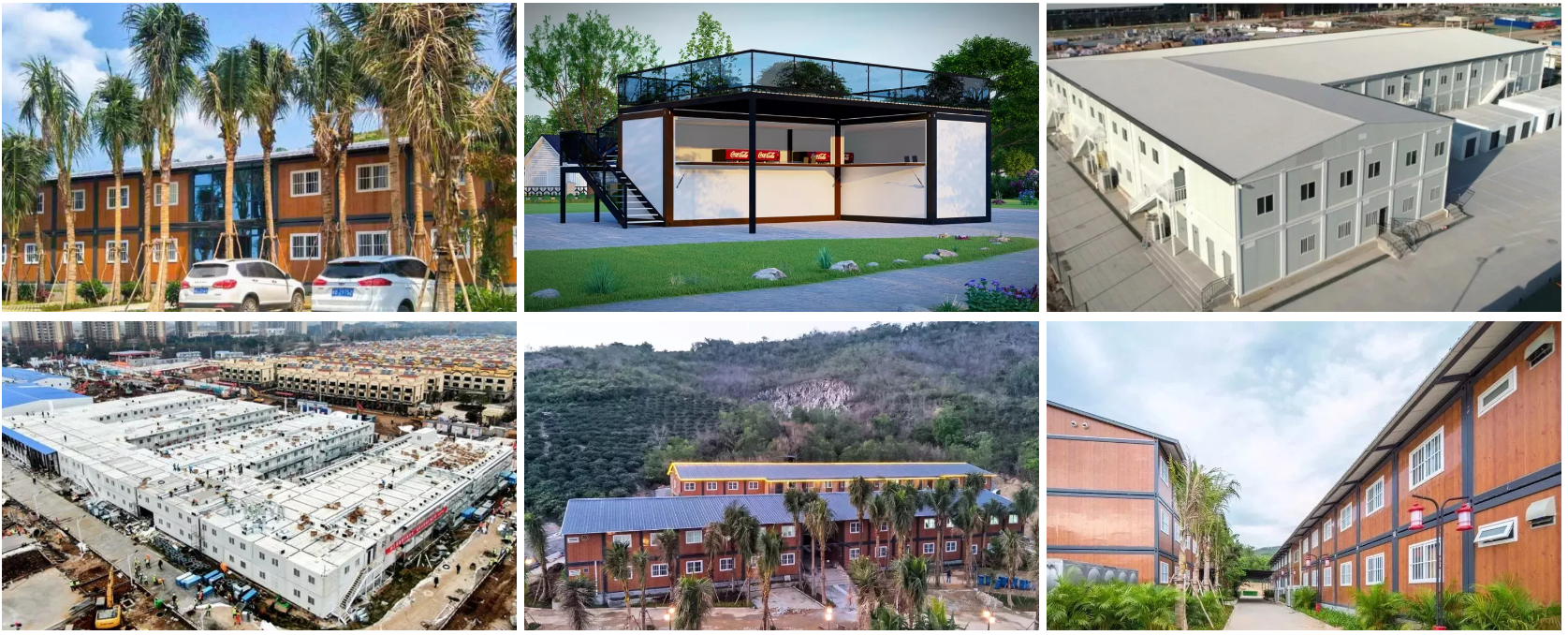
As a professional container house manufacturer, DreamMaker (DM) provides modular building solutions designed for large-scale projects with complex timelines.
DM container houses are known for:
Strong and durable steel structures
High-quality insulated panel systems
Good seismic and weather resistance
Flexible customization for different applications
With experience supporting infrastructure, workforce housing, and public facility projects worldwide, DM’s container solutions are well-suited for event-driven construction demands like the 2026 World Cup.
How the World Cup Benefits Global B2B Buyers
The preparation phase for the 2026 World Cup spans several years. This creates continuous demand for:
Modular buildings
Temporary housing solutions
Site offices and support facilities
For B2B buyers, distributors, and project contractors, container houses represent a practical entry point into World Cup-related supply chains.
Conclusion
The 2026 USA–Canada–Mexico World Cup is more than a sporting event. It is a large-scale infrastructure accelerator that creates real opportunities for modular construction solutions.
Prefab container houses offer speed, flexibility, durability, and sustainability—qualities that align perfectly with the needs of World Cup-related projects. From stadium construction support to workforce housing and media facilities, container houses are becoming a key part of the event economy.
As preparations continue, modular container buildings will play an increasingly important role in helping host cities deliver a successful global tournament.
FAQs
1. Can container houses be used for large international events like the World Cup?
Yes. They are widely used for temporary offices, worker housing, media centers, and support facilities.
2. Are container houses suitable for use in different climates across North America?
With proper insulation and material selection, they perform well in cold, hot, and mixed climates.
3. Can container houses be customized for event branding or specific layouts?
Yes. Exterior colors, layouts, and interior configurations can all be customized.
4. Are container houses safe for high-traffic event environments?
High-quality container houses are built with strong steel structures and fireproof materials, making them suitable for public projects.
5. What happens to container houses after the event ends?
They can be relocated and reused for other infrastructure, commercial, or community projects.
Your message-英文2024-12-24
Name*
Country*
Email*
Telephone*
For Personal Use/ Project (Click to Choose)
- Project
- Personal
Your Message*
Verification code


