


What to do when the product specifications of the container house do not match the demand?
Introduction
In today's highly competitive market environment, container houses, as a flexible and mobile housing solution, are favored by more and more people. However, when the product specifications of the container house do not match the demand, it may cause a series of problems. In this article, we will explore the solutions when the product specifications of the container house do not match the needs. By reading this article, you will learn how to deal with the challenge of mismatching container house product specifications and needs, and ensure that your container house meets your actual use needs.
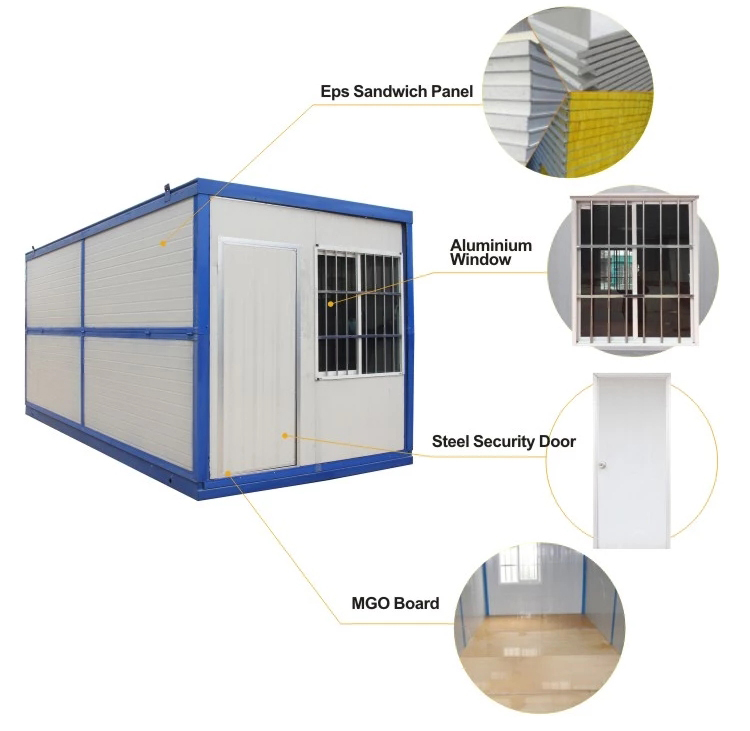
Understanding the product specifications of container houses
What is the product specification of a container house?
The container house product specification refers to the specific attributes and requirements of the container house in the design and manufacturing process. It includes a detailed description of the size, structure, material, function and performance of the container house. The container house product specification is the basis for a clear agreement between the manufacturer and the user to ensure that the container house can meet the actual needs of the user.
The importance of container house product specifications
The formulation and compliance of container house product specifications are crucial to ensure the quality, function and safety of container houses. Manufacturers and users can clearly specify the specifications of container house products according to actual needs, so as to ensure that the provided container houses meet the expected standards and requirements. By complying with product specifications, manufacturers can control the quality in the production process, and users can obtain container house products that meet their usage needs. The following are several aspects reflected in the importance of container house product specifications:
1. Quality control: Container house product specifications can ensure quality control and consistency in the manufacturing process. By clearly specifying the materials used, quality standards and production requirements, the quality of the container house can be guaranteed to meet expectations.
2. Functional satisfaction: The product specification of the container house clarifies the functional requirements of the container house to ensure that it can meet the actual needs of users. For example, specifying the interior layout, electrical system, and HVAC system can ensure that the container house has a comfortable, safe and convenient living environment.
3. Safety guarantee: The safety requirements contained in the product specifications of the container house can ensure that the container house complies with the corresponding safety standards and regulations. This is crucial to the safety of occupants and the protection of life and property.
4. Basis for delivery and acceptance: container house product specifications can be used as the basis for delivery and acceptance to ensure that the manufacturer delivers container house products that meet the specifications in accordance with the specified requirements.
The source of the problem
What are the reasons for the mismatch between product specifications and demands of container houses?
1. Miscommunication: Miscommunication between manufacturers and users can lead to a mismatch between product specifications and requirements. There may be unclear, misunderstanding or omission of information in the communication between the two parties, resulting in the failure of the final product to meet the actual needs of users.
2. Changes in requirements: During the progress of the container house project, users may change their requirements. These changes may be due to adjustments in functional requirements, changes in space requirements, or other factors. If these changes are not communicated and adjusted to the manufacturer in a timely manner, it may result in a mismatch between product specifications and new requirements.
3. Poor planning: Failure to adequately consider actual needs and details during the project planning and design phase can result in a mismatch between product specifications and actual needs. This may include insufficient or comprehensive planning of space layout, facility configuration, functional requirements, etc.
4. Technical limitations: There may be technical limitations in the design and manufacture of container houses. Some specific functional requirements may not be realized in the container house design, or some special size and structure requirements may be limited by the manufacturing process, resulting in product specifications that cannot meet the needs.
5. Supply chain problems: In the supply chain of container houses, there may be problems in material supply, processing technology or assembly process. For example, problems such as substandard material quality, insufficient machining accuracy, or assembly errors can cause a mismatch between product specifications and actual needs.
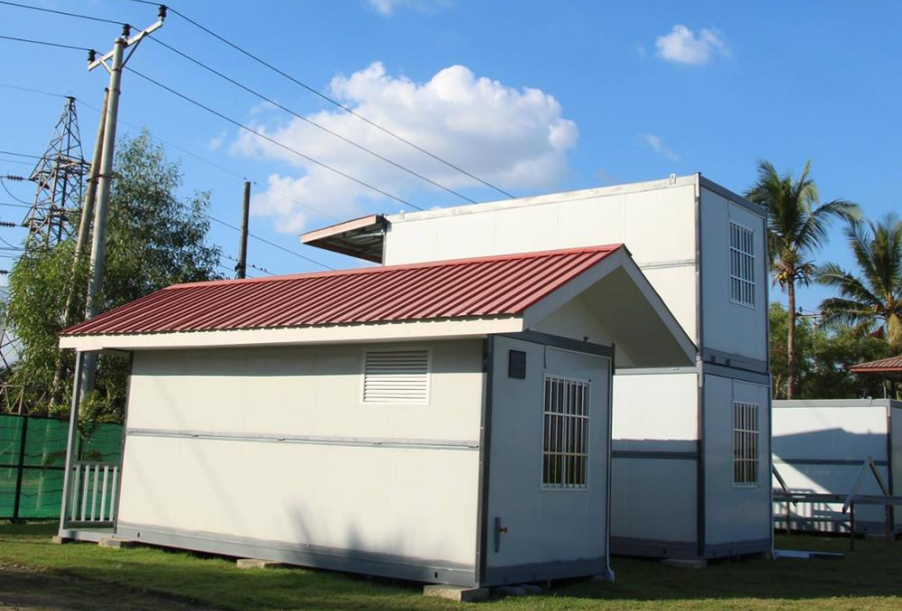
What are the possible factors that may cause the product specifications of the container house not to match?
1. Changes in requirements: During the progress of the container house project, users may change their requirements. Changes in requirements may involve spatial layout, functional configuration, material selection, etc. If the changes are not communicated and adjusted with the manufacturer in a timely manner, product specifications may not match the new requirements.
2. Inadequate planning: In the project planning and design stage, there may be insufficient consideration of user needs and actual usage. Poor planning may lead to a mismatch between product specifications and actual needs of container houses, such as insufficient space utilization and unreasonable functional configuration.
3. Technical limitations: There may be technical limitations in the design and manufacture of container houses. For example, some special functional requirements may not be realized in the design and structure of the container house, or the specific size and structure requirements may be limited by the manufacturing process, resulting in a mismatch between product specifications and requirements.
4. Supply chain problems: In the supply chain of container houses, there may be problems in material supply, process processing or assembly process. For example, problems such as substandard material quality, insufficient machining accuracy, or assembly errors can cause a mismatch between product specifications and actual needs.
5. Poor communication: Poor communication between manufacturers and users may also lead to a mismatch between container house product specifications and needs. Miscommunication can include unclear delivery of information, misunderstandings or omissions, etc., resulting in the manufacturer not being able to accurately understand the user's needs and thus fail to meet their desired product specifications.
Solutions
1. Communicate with suppliers:
Arrange meetings or interviews for detailed communication and discussions with container house suppliers.
Clearly communicate requirements and specifications to suppliers to ensure alignment of product expectations.
Actively listen to the opinions and suggestions of suppliers in order to achieve a better match between product specifications and requirements.
2. Adjust the container house design:
Work with the design team to carefully evaluate and adjust the existing container house.
Re-plan the spatial layout, functional configuration and facility requirements according to actual needs.
Adjust the structure, size and material selection, etc. to ensure that the container house meets the new specification requirements.
3. Customized container house products:
Cooperate with professional container house manufacturers to discuss customized solutions.
Specify requirements and specification requirements to ensure that the design and manufacturing process exactly matches actual requirements.
Participate in the manufacturer's design process, provide feedback and suggestions, and ensure that the final product meets requirements and specifications.
4. Find alternative container house products:
Research other alternative container house products on the market.
Compare the specifications, features and performance of different products and choose the alternative that best suits your needs.
Ensure that the specifications of alternative products are consistent with the requirements, and communicate and negotiate with suppliers for customized requirements.
5. Improve supply chain management:
Review supply chain processes to identify issues that may result in mismatches between specifications and requirements.
Establish a stable cooperative relationship with suppliers to ensure timely communication and coordination.
Enhance the quality control of the supply chain to ensure that the container houses provided meet the specifications.
Conclusion
When the product specification of the container house does not match the demand, it is very important to adopt the correct solution. By communicating with suppliers, customizing container house products, adjusting the design, finding alternative products or reassessing the needs, this problem can be solved and the container house can meet the expected use requirements.
FAQs
Q1: What impact will the mismatch of container house product specifications have on the use?
The mismatch of container house product specifications may cause the container house to fail to meet the actual use needs, which may cause problems such as waste of space, imperfect functions, or inconvenient use.
Q2: Why communication with suppliers is one of the solutions?
Communicating with suppliers can help clarify needs and specifications, and ensure that the production and delivery of container house products meet expectations. Suppliers can also provide professional advice and solutions.
Q3: Why is reassessing requirements a solution?
Reassessing the requirements can help find inaccuracies or impracticalities in the requirements, so that the requirements can be adjusted to match the container house product specifications. This helps to solve the problem of mismatch between container house product specifications and demand.
Q4: Are there other solutions available?
In addition to communicating with suppliers, customizing container house products, adjusting designs, and reassessing needs, finding alternative container house products is also a solution. Alternative solutions for your current needs can be found by exploring other container house options on the market.
Q5: Why is it a common problem that the container house product specification does not match the demand?
The mismatch between container house product specifications and requirements may be caused by factors such as poor communication, changes in requirements, poor planning, or inaccurate information transmission. In container house projects, it is a challenge to ensure that the product specifications match the actual needs. Therefore, taking an appropriate solution is the key to solving this problem.
Your message-英文2024-12-24
Name*
Country*
Email*
Telephone*
For Personal Use/ Project (Click to Choose)
- Project
- Personal
Your Message*
Verification code


