


Bridging Europe’s Truck Stop Accommodation Gap: How to Choose a Cost-Effective, Relocatable Solution for Driver Rest Compliance
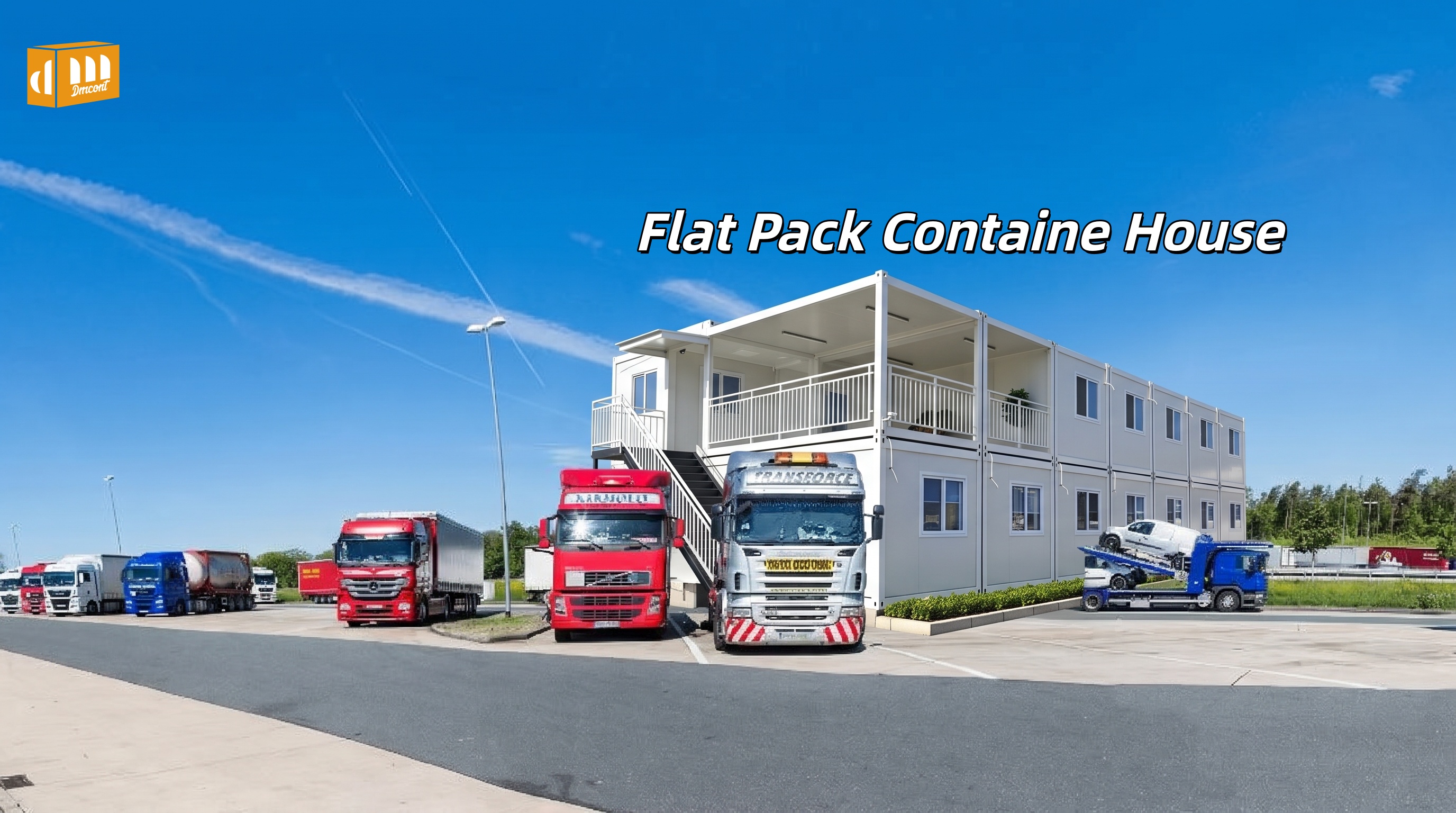
Across Europe’s long-haul freight sector, truck stop operators are grappling with the same growing challenge: enforcement of the EU Mobility Package has tightened significantly around mandatory regular weekly rest rules.
Many site owners share the same frustration. They have plenty of HGV parking bays, perimeter security, CCTV and refuelling facilities, yet lack compliant overnight accommodation for drivers.
Unsecured roadside lay-bys leave drivers worried about cargo theft overnight. Conventional hotels are often miles away from secure parking yards, forcing drivers to make extra journeys after long shifts — wasting valuable time and adding unnecessary risk. Building permanent brick-and-mortar guest rooms on site, meanwhile, means lengthy permitting processes and heavy upfront investment. If site plans change or highway traffic patterns shift later on, permanent buildings cannot be relocated, leaving operators with substantial sunk costs.
Converted sea container micro-cabins are already available on the market and used by many operators. Over time, however, these retrofitted units often reveal several practical drawbacks:
Aging Base Structures and Inconsistent Comfort
Traditional conversions use second-hand marine containers, where rust and structural warping are common. Ongoing maintenance costs add up quickly. Thermal and acoustic insulation is fitted retrospectively, so build quality varies widely. These units often fail to block constant motorway noise, hurting repeat bookings.
Inefficient Cross-Border Logistics
Fixed container dimensions mean each cabin must be shipped fully assembled, occupying a full shipping slot and pushing up international freight costs.
Rigid Layouts With Limited Adaptability
Converted shells offer very little structural flexibility. If an operator wants to adjust room sizes or reconfigure en-suite plumbing later on, modifications are difficult and expensive.
Fragmented Compliance Documentation
Many converted units lack standardised fire resistance and thermal performance data. Operators then need to spend extra time and budget arranging local testing and paperwork to secure approvals for European temporary structures.
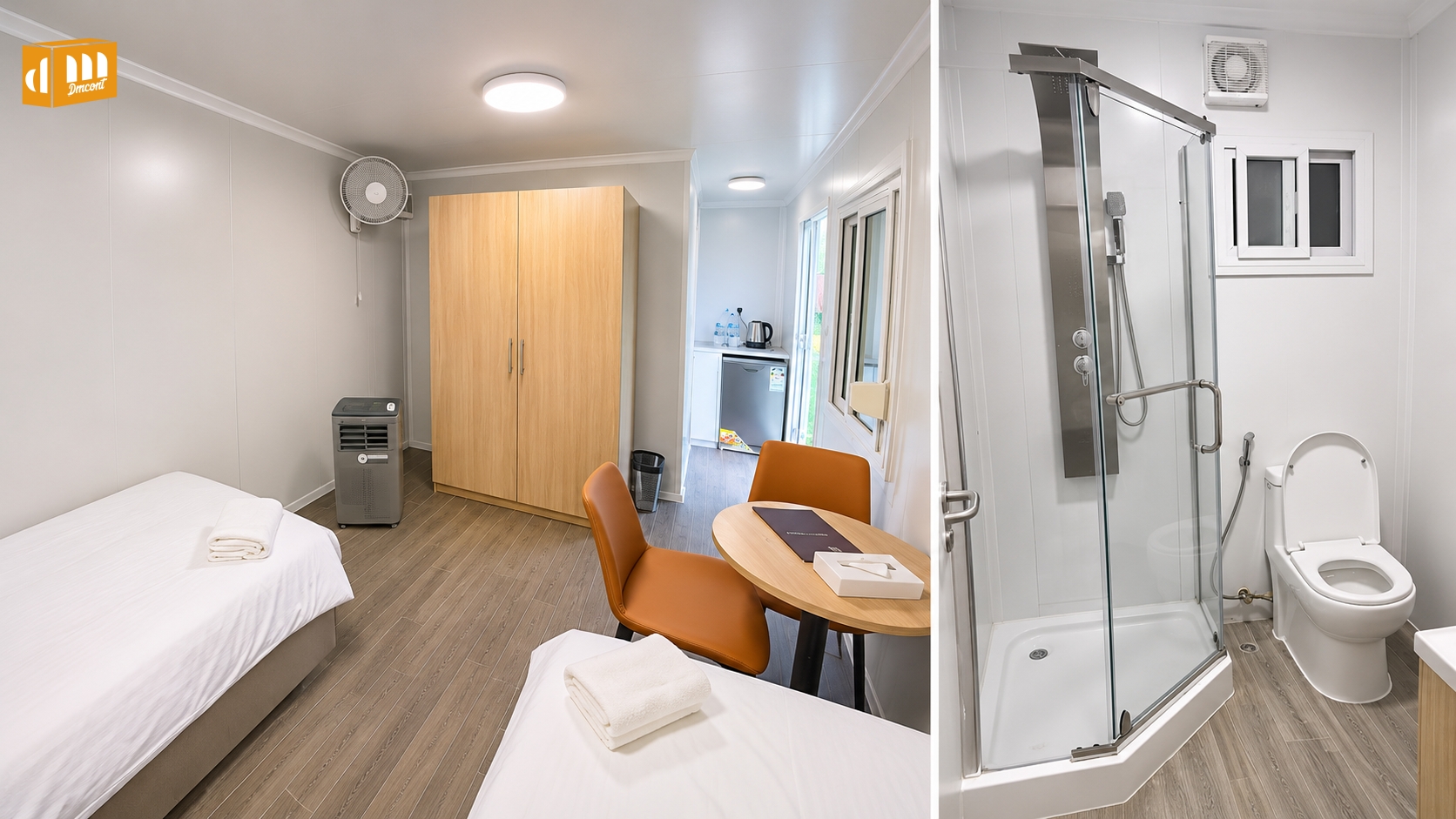
For long-haul truck drivers, dedicated private rooms solve the most common pain points on the road. Instead of detouring several kilometres to a hotel in town, drivers can take their mandatory rest right beside their vehicle, keeping a close eye on their truck and cargo. A private cabin with an en-suite bathroom lets them shower and rest properly — a big upgrade from cramped cab sleeping and crowded shared washrooms. Fitted with insulated, sound-dampening wall panels that block persistent highway noise, these rooms stay quiet and comfortable through summer heatwaves and winter freezes. Better rest reduces driver fatigue and improves road safety. When drivers trust a truck stop’s rest facilities, they will prioritise stopping there, book repeat stays and recommend the site within driver communities. This consistent footfall and repeat occupancy translates into reliable recurring revenue.
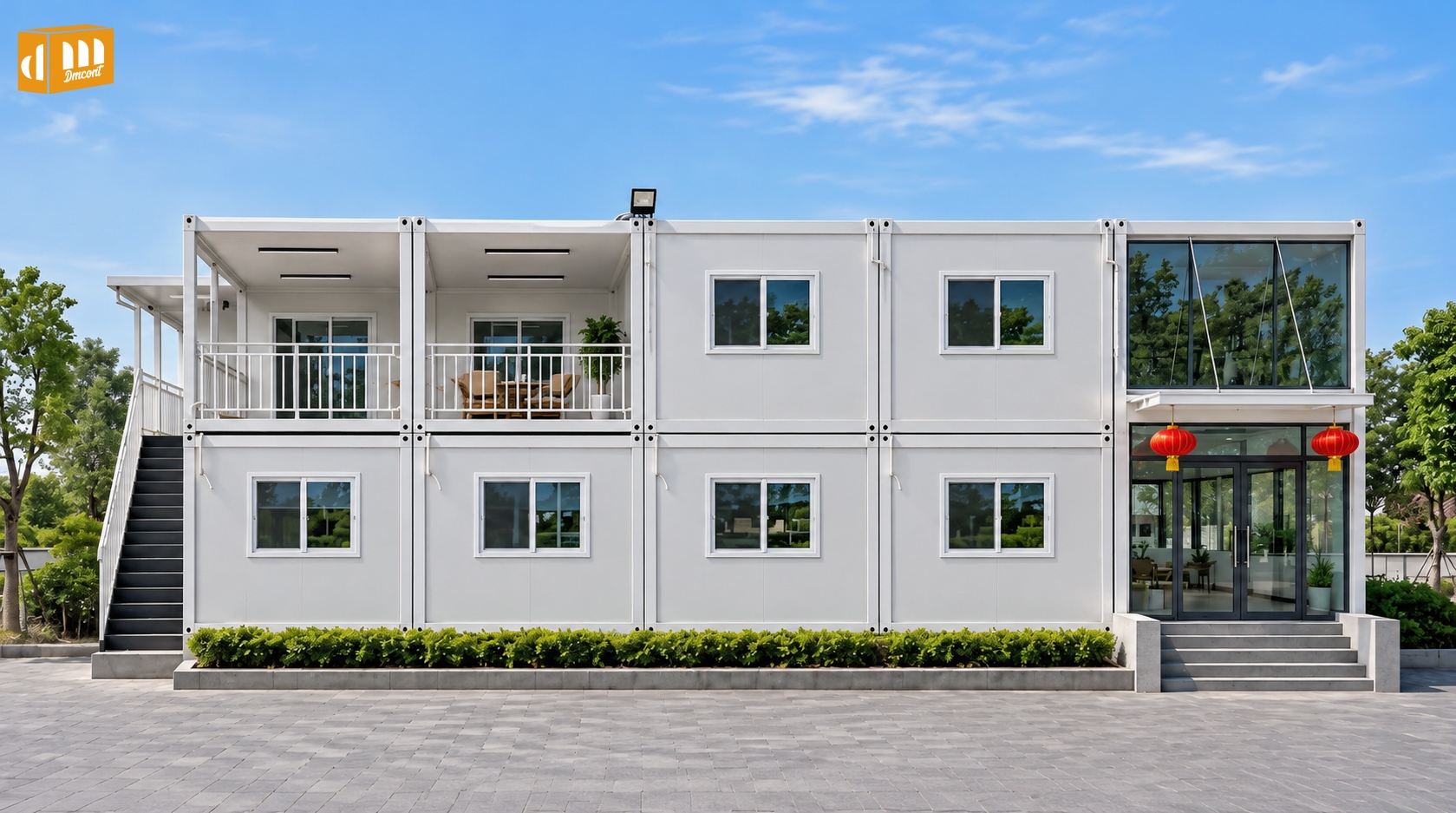
For that reason, many operators are searching for a balanced alternative: accommodation that delivers private, compliant rest, requires no major civil works, qualifies for temporary facility permits, keeps transport costs manageable and remains simple to assemble or relocate.
Flat-pack container houses are emerging as a practical fit purpose-built for highway truck stops.
Unlike retrofitted sea containers, flat-pack units are brand-new, factory-engineered modular structures. Every frame, wall panel, door and window is prefabricated to consistent specifications, rather than modified from a used cargo box.
For truck stop operations, flat-pack modular cabins come with five clear advantages:
1. Flat-Pack Shipping Cuts Freight Costs
Each unit breaks down into compact roof, floor, column and wall panel packs. Multiple complete cabins can fit inside one standard shipping container. Compared to shipping fully assembled container cabins one by one, this lowers per-unit cross-border freight costs substantially — a clear financial benefit when rolling out multiple units.
2. Fast On-Site Assembly, No Heavy Cranes Required
A two-person team with standard hand tools can assemble one cabin without crane hire. Units can be installed beside unused parking bays without disrupting regular truck movements. If site layouts change or cabins need relocating to another depot, they can be disassembled, flat-packed and redeployed, protecting your capital from sunk costs.
3. Factory-Standardised Performance With Pre-Installed Utilities
Integrated insulated sandwich wall panels deliver consistent thermal, acoustic and fire resistance straight from production. Specifications can be tailored to regional climates across Germany, Eastern Europe and Southern Europe. Electrical wiring, circuit breakers and plumbing connection points are pre-fitted at the factory. Operators simply connect local water supply and drainage on site to create fully functional en-suite driver rooms.
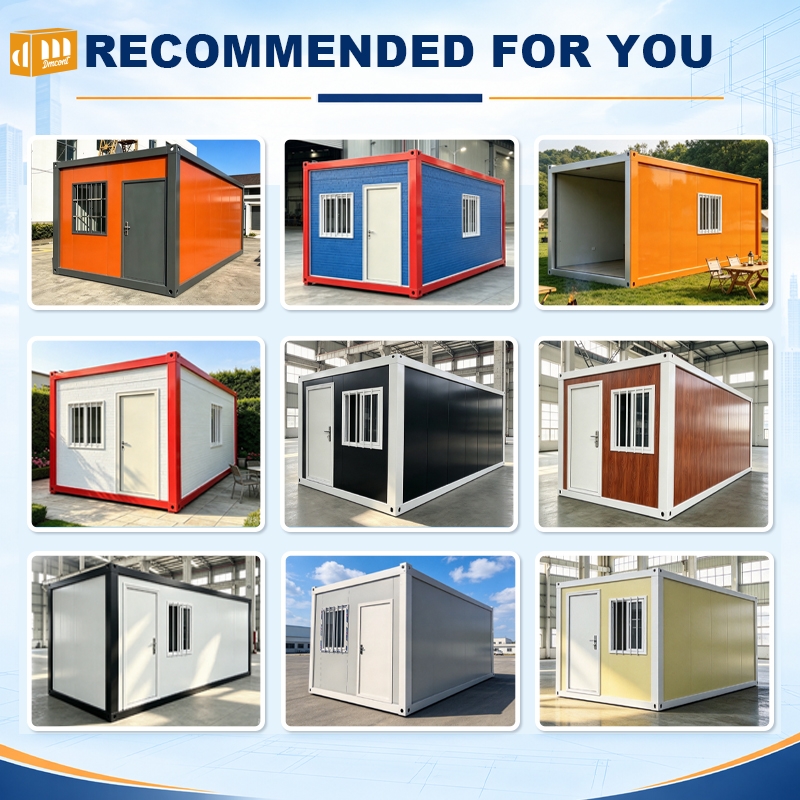
4. Customisable Exterior Finishes for On-Site Branding
Standard flat-pack cabins, like the models shown here, feature clean framing with flexible finish options, including solid colour cladding and wood-grain panels. Without the rough industrial look of used sea containers, they improve the overall appearance of your site, lift driver perception and support consistent branding. Units can be built to a practical 8–12 m² footprint, perfectly sized for single-driver rest without wasted space.
5. Streamlined Compliance Documentation
Manufactured to modular prefabricated building standards, each unit can be supplied with CE and fire-rating documentation to support local temporary-structure permit applications. This reduces the time and expense of independent third-party testing.
These cabins do not require a full site overhaul for owners. They work well as a phased addition: operators can start with a small pilot batch to test occupancy rates and validate returns before scaling up, keeping upfront CAPEX risk low.
If you run a European truck stop or Autohof and are evaluating compliant, relocatable, low-CAPEX driver accommodation, get in touch with our team. We can share flat-pack cabin specifications designed for truck stop use, budget estimates, compliance checklists and custom site layouts tailored to your target markets — including Germany, Poland, Spain and destinations across Europe.
Contact Our Business & Engineering Team For Custom Solutions
Share your country, truck stop or Autohof site layout, target cabin quantity, preferred room size, en-suite requirements, local climate, required compliance documentation and rollout schedule. Our business and engineering team can prepare suitable flat-pack cabin specifications, budget estimates and a phased site layout for your driver accommodation project.
Contact Us for Custom SolutionsWhatsApp: +86 19128723801
Email: marketing@dmcontainerhouse.com
Official Website: www.dmcontainerhouse.com


