


Is Modular Container Housing Better Than Traditional Construction?
Introduction
In today’s fast-paced world, the demand for faster, more affordable, and sustainable building solutions is reshaping how people think about construction.
From residential housing and offices to schools and hospitals, more developers and governments are turning to modular container housing as a modern alternative to traditional brick-and-mortar building methods.
But the question remains — is modular container housing really better than traditional construction?
This article explores the key advantages and comparisons between modular container homes and conventional construction, helping you understand why more B2B buyers, developers, and project planners are making the switch to modular solutions.
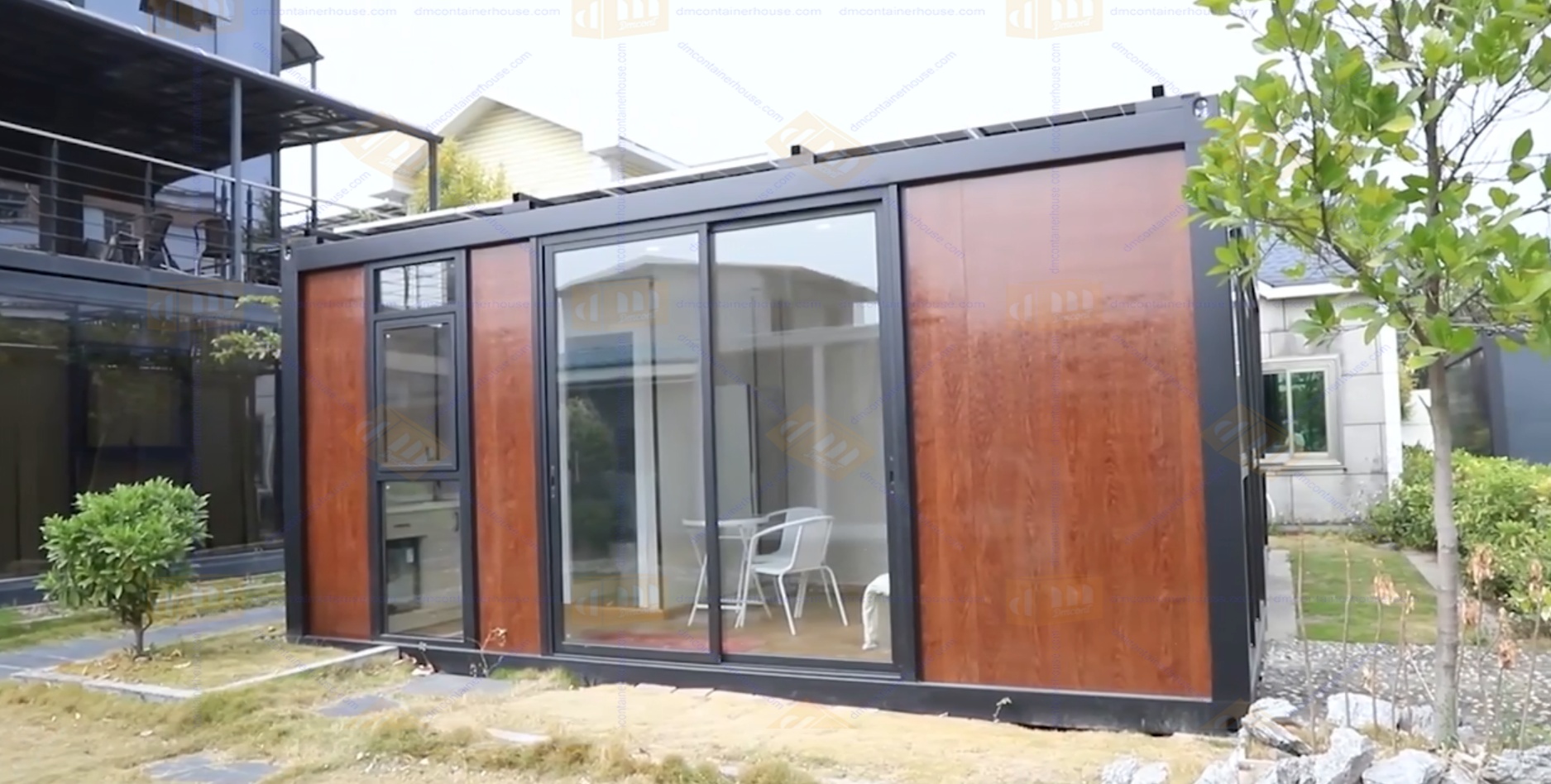
1. Construction Speed: Modular Wins by a Wide Margin
One of the biggest differences between modular housing and traditional construction is time.
Traditional buildings often take months (or even years) to complete due to complex processes, multiple subcontractors, and weather-related delays.
Modular container housing, on the other hand, is factory-built and pre-assembled, allowing for simultaneous on-site preparation and off-site manufacturing.
⚙️ Example:
While a conventional office building may take 6–12 months to complete, a DM modular office can be delivered and installed in under 30 days.
⏱️ Key Advantages:
Reduced labor time and dependency on weather
Predictable construction schedules
Faster project turnover for investors and developers
For industries like mining, construction, and disaster relief, this time efficiency translates directly into lower costs and faster deployment.
2. Cost Efficiency: Save More Without Sacrificing Quality
Cost is one of the most important factors in any construction project.
💰 Traditional Construction Challenges:
High labor costs due to long build times
Material waste on-site
Unpredictable budget overruns
🏗️ Modular Container Solution:
Because modular units are factory-produced in bulk, material usage is optimized, and waste is minimized. Additionally, DM container houses use durable, high-quality materials such as galvanized steel and rock wool insulation, ensuring long service life with low maintenance.
Average savings: Modular construction can reduce overall project costs by 20–30% compared to traditional methods.
3. Strength and Durability: Built to Withstand Harsh Environments
Many assume container homes are temporary or fragile — but in fact, they’re engineered to be even stronger than traditional buildings.
DM’s modular units are built with:
High-tensile steel frames resistant to deformation
Anti-rust coatings suitable for humid or coastal regions
Earthquake- and wind-resistant designs tested to meet global safety standards
This makes them ideal for areas exposed to seismic activity, heavy rainfall, or strong winds, where traditional buildings may suffer damage.
DM Container Houses have been successfully deployed in earthquake-prone regions, maintaining structure and integrity even after natural disasters.

4. Flexibility and Customization: Adapt to Any Project
Traditional buildings are difficult (and costly) to modify once built. In contrast, modular housing is highly flexible — allowing you to expand, relocate, or redesign easily.
🧩 Modular Flexibility Includes:
Stackable and expandable units (up to 3–4 floors)
Custom layouts for housing, offices, schools, and clinics
Wide range of options for wall panels, insulation, windows, and doors
DM’s modular designs also support custom color coatings, façade treatments, and functional upgrades, helping businesses maintain brand consistency while achieving operational goals.
5. Environmental Impact: Greener and More Sustainable
Sustainability is no longer optional — it’s a global priority.
Traditional construction generates significant waste, dust, and carbon emissions, while modular container homes are designed for low environmental impact.
🌍 Eco-Friendly Benefits of Modular Housing:
Reduced material waste (factory precision cuts waste by up to 50%)
Recyclable materials, including steel frames and insulated panels
Energy-efficient designs with thermal insulation and solar integration
DM Container Houses are designed to align with green building standards, helping clients achieve eco-certifications and sustainability goals in both public and private projects.
6. Mobility and Reusability: The Smart Investment Advantage
Unlike permanent structures, modular container units can be relocated and reused, making them ideal for businesses or organizations that move frequently — such as construction contractors, oilfield operations, and event organizers.
🚚 Practical Applications:
Temporary site offices that move with your projects
Portable classrooms or clinics for government programs
Expandable workforce housing that can relocate with mining operations
With DM’s modular system, every unit is an asset that retains value and flexibility long after initial installation — something traditional construction cannot offer.

7. Quality Control and Precision Manufacturing
In traditional building methods, construction quality often depends on local labor skills, weather, and material supply — leading to inconsistent results.
By contrast, modular container housing is built in controlled factory environments, following strict ISO-certified quality standards.
DM’s in-house manufacturing process includes:
Automated cutting and welding technology
Multi-layer insulation panel assembly
Rigorous quality testing before shipment
This ensures every module meets consistent quality benchmarks, reducing post-installation maintenance and defects.
8. Compliance and Safety Standards
Modern modular buildings meet (and often exceed) the same international safety codes as traditional structures.
DM Container Houses comply with:
CE, ISO, and SGS certifications
Local fire safety and insulation standards
Structural load-bearing requirements
Additionally, modular systems can be designed to local regulations in your region — whether in Europe, the Middle East, Africa, or Asia-Pacific — ensuring smooth approval for commercial and residential use.
9. Aesthetics and Modern Appeal
Gone are the days when container housing looked purely industrial. Today, DM modular designs can be customized to achieve modern, attractive looks that rival traditional homes.
🎨 Design Options Include:
Decorative wall panels and cladding
Wood, aluminum, or stone finishes
Energy-efficient glass windows and skylights
From stylish eco-resorts and modern offices to urban apartments, modular architecture offers both functionality and design sophistication.
10. Long-Term Value and ROI
Finally, when comparing modular vs. traditional building methods, return on investment (ROI) is a decisive factor.
Because modular projects require less construction time, fewer workers, and minimal maintenance, businesses can achieve:
Faster payback periods
Lower lifecycle costs
Higher resale or reuse value
For investors and developers, this means better profit margins and faster capital recovery, especially in industries that demand rapid infrastructure setup.
Conclusion
So, is modular container housing better than traditional construction?
In most cases — yes.
For organizations that value speed, cost-efficiency, flexibility, and sustainability, modular housing offers a smarter, future-ready solution.
At DM Container House, we’ve helped global clients build container homes, dormitories, offices, and clinics that outperform traditional construction in both
performance and ROI.
With advanced technology, customizable options, and global project experience, DM continues to redefine how the world builds
Ready to modernize your construction approach?
Contact DM Container House today for a consultation on how modular housing can meet your project’s needs — faster, smarter, and greener.
FAQ
Q1: Is modular container housing cheaper than traditional building?
Yes, it can reduce total project costs by up to 30%, mainly due to faster build times and reduced labor expenses.
Q2: Can container houses last as long as traditional homes?
Absolutely — DM’s modular homes can last over 25 years with proper maintenance and are designed for long-term use.
Q3: Do modular houses meet international safety standards?
Yes. DM modular houses comply with CE, ISO, and SGS certifications and local building regulations.
Q4: Are modular buildings suitable for all climates?
Yes. They can be customized for hot, cold, humid, or coastal regions with proper insulation and ventilation systems.
Q5: Can modular units be expanded later?
Definitely. You can easily add more modules to scale up your building as your needs grow
Your message-英文2024-12-24
Name*
Country*
Email*
Telephone*
For Personal Use/ Project (Click to Choose)
- Project
- Personal
Your Message*
Verification code


